

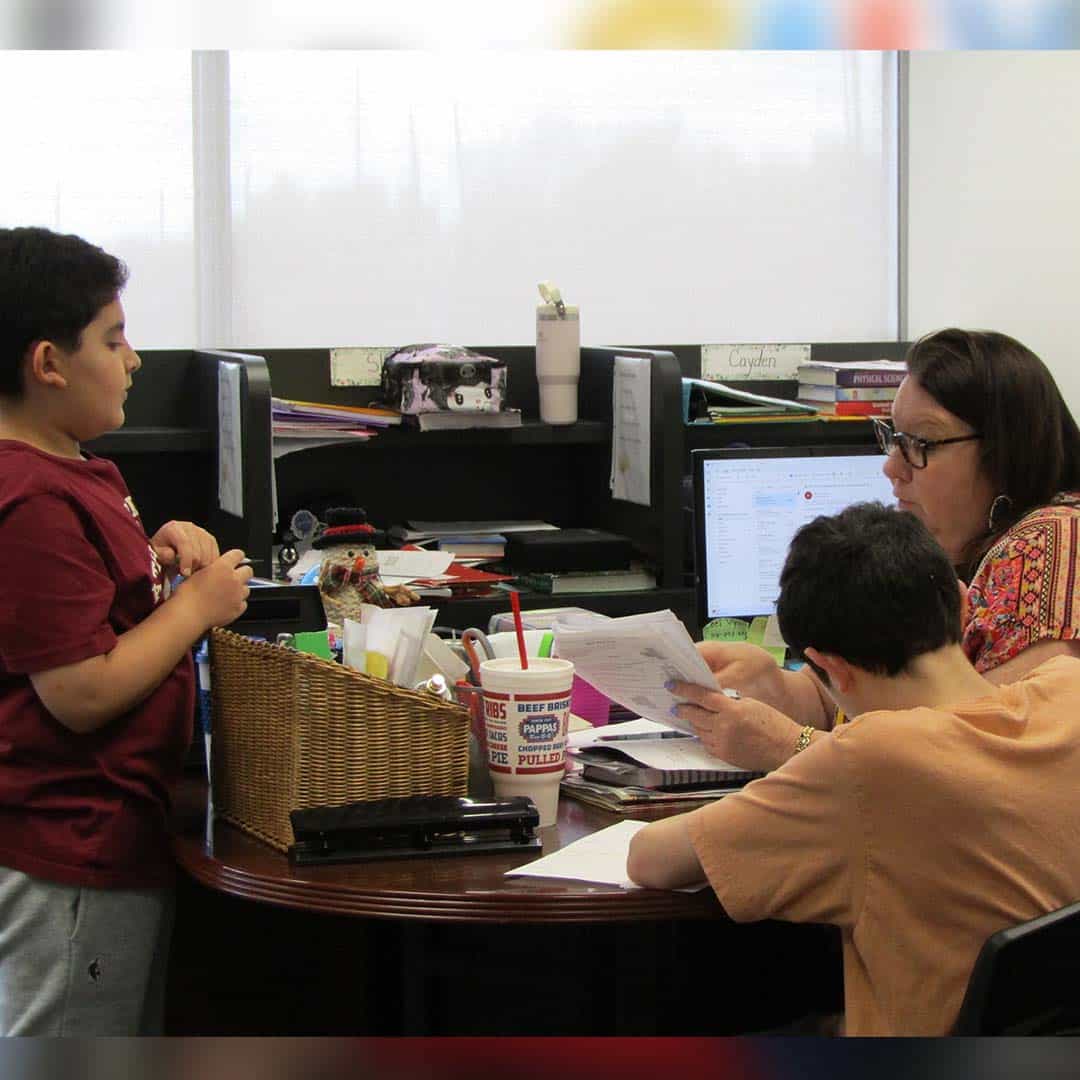
Educational approaches are always changing. As an online school, we have students come to us from a variety of different academic backgrounds. One thing seems to remain consistent, these students are seeking out a more personalized learning environment. Across the country, classrooms seem to get larger and larger in size each year as teachers struggle to maintain an academic balance for all students. Simply put, teachers are not able to ensure the same quality of education for all students in these large classroom settings. Parents and students alike are beginning to feel this which is pushing them to seek a more personalized education, but before we talk about types of personalized educational environments, we need to first define it:
What is Personalized Education?
Understood.org defines personalized education as:
“Kids learn in different ways and at different paces. Personalized learning is a teaching model based on that premise. Each student gets a “learning plan” based on how they learn, what they know, and what their skills and interests are. It’s the opposite of the “one size fits all” approach used in most schools.”
As a program that is taught entirely one-to-one, we’ve found that personalized education gives students the ability to learn at a pace that works for them. Whether the student is struggling with current lesson content or is gifted and looking to accelerate their learning, personalized education can accommodate them!
Key Components of Personalized Education
- Individualized Pacing: Students progress at their own pace, spending more time on challenging subjects and advancing quickly in areas of strength, and slowing down for areas of weakness.
- Tailored Curriculum: Learning materials and methods are designed and customized to align with the student’s interests and career goals. The curriculum is better able to pivot and change on the fly as well.
- One-on-One Attention: Personalized education often incorporates dedicated teacher-student interaction, ensuring focused support and engagement.
Why Personalized Education is Needed
While the traditional classroom model can be effective for some, it can often leave others behind. Students with diverse abilities, interests, and needs may struggle to fit into a structure designed for the “average” learner, whether their gifted or struggling! Here’s why personalized education is becoming increasingly important in education:
- Addressing Diverse Learning Styles Each student has a unique approach to learning—some may thrive with visual aids, while others can benefit through hands-on activities or auditory instructions. Personalized education embraces these differences, which means they can better accommodate students with these varying learning preferences.
- Closing the Learning Gap In a larger classroom, students who may struggle with a subject can fall further behind due to the increased pace. Personalized learning ensures that these ‘gaps’ are identified early and addressed with individualized support!
- Encouraging Student Engagement When students have direct feedback from their teacher, they can become more motivated with coursework and involved in their lessons. Additionally, a teacher is able to have a dialog with the student about their interests and desires from the course content.
Real-World Applications of Personalized Education
Homeschooling Families
Many homeschooling families will say the benefit of the curriculum is a more ‘hands-on, personalized approach’ to their student’s education. Parents know their children, and in a homeschooling environment the parent can adapt the curriculum to their student’s learning strengths.
Aspiring Professional Athletes
Students pursuing careers in sports often face demanding schedules that conflict with traditional schooling. Personalized education allows them to balance academics with training and competitions. With remote learning options, aspiring athletes can stay on track academically from anywhere in the world.
Students with Anxiety
For students who struggle with anxiety, the stress of large classrooms and social pressures can hinder their learning. Personalized education creates a calm, supportive environment where students can thrive at their own pace, free from the distractions and challenges of traditional school settings.
The Role of Technology in Personalized Education
Advancements in technology have been instrumental in the rise of personalized education. Online learning platforms, adaptive learning software, and data-driven assessments are making it easier to tailor educational experiences to individual needs. Here are some ways technology enhances personalized education:
- Adaptive Learning Tools Platforms use algorithms to assess a student’s progress and adjust the curriculum accordingly, ensuring they receive the right level of challenge and support.
- Virtual Classrooms Online learning environments connect students with expert teachers for one-on-one instruction, making personalized education accessible from anywhere.
- Data Analytics Teachers can use data to track student performance, identify areas of difficulty, and adapt their teaching strategies in real-time.
- Interactive Learning Experiences Gamification, virtual labs, and multimedia resources make learning engaging and interactive, catering to various learning styles.
Overcoming Challenges in Personalized Education
While personalized education offers many benefits, implementing it effectively requires careful planning and resources. Here are some common challenges and how they can be addressed:
Ensuring Quality Instruction
Solution: Partner with accredited programs like Tenney School Live that employ expert educators to deliver high-quality, customized instruction.
Managing Costs
Solution: Online personalized education programs often provide cost-effective alternatives to private tutoring or specialized schools.
Balancing Structure and Flexibility
Solution: Personalized education models should maintain clear academic goals while allowing flexibility in how and when students achieve them.
Building Social Skills
Solution: Incorporate group projects, extracurricular activities, or virtual peer interactions to ensure students develop essential social competencies.
Why Tenney School Live is Leading the Way
Tenney School Live exemplifies the potential of personalized education through its innovative one-on-one learning model. Designed for grades 5–12, the program provides individualized instruction tailored to each student’s unique needs and goals. Whether you’re a homeschooling family, a student-athlete, or a child facing challenges in traditional school settings, Tenney School Live offers a solution that ensures academic success without sacrificing flexibility or support.
Key Features of Tenney School Live:
- Accredited Curriculum: High-quality courses that prepare students for college and beyond.
- Expert Teachers: Educators skilled in delivering personalized instruction.
- Flexible Scheduling: Classes that fit seamlessly into diverse lifestyles.
- Supportive Environment: A focus on building confidence and fostering a love for learning.
The Future of Education is Personalized
As education continues to evolve, personalized learning stands out as a powerful tool for unlocking student potential. By focusing on the individual, this model addresses the limitations of traditional schooling and prepares students for success in an increasingly complex world.
Whether your child is a homeschooler, an athlete, or simply needs a more tailored approach, personalized education offers the flexibility, support, and academic rigor they need to thrive. Programs like Tenney School Live are leading the way, proving that with the right tools and mindset, education can truly be a personalized journey.