
In a post COVID world, students and parents alike have more access to types of classrooms. The two main categories are a virtual classroom and a in person classroom. While in person classrooms are the more “traditional” choice, I’m going to compare virtual classrooms and how they stack up against the in person alternatives! One thing to keep in mind is that each and every student is different when it comes to their preferences for learning.
What is a Virtual Classroom?
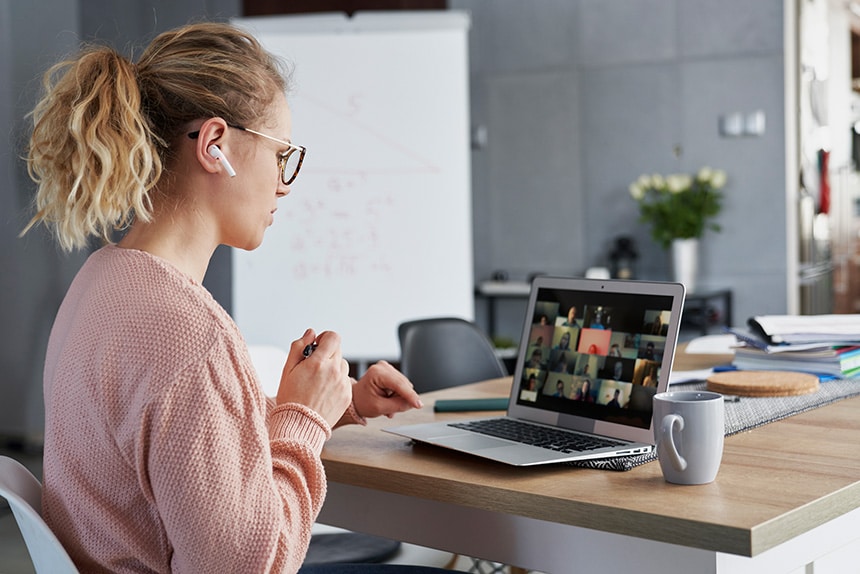
A virtual classroom, much like the name entails, is a classroom that is completely virtual. This means that the student uses a device such as a laptop, tablet, or phone to remotely connect with their teacher for class time. There are multiple different types of virtual classrooms. The first being a live version. This type utilizes a live-instructional model (much like an in person class) to teach students. The benefits of this is students can ask questions in class and get immediate answers from the teacher.
The second type of virtual classroom is a self taught type. This version features pre-recorded lectures that the student watches on their own time. While it doesn’t require students to “attend class” at a specific time, it has drawbacks in the form of delayed teacher engagement. Communication with the teacher is done primarily over messaging or email as the student is unable to ask questions during lessons. However, the student can stop, rewind, or accelerate the class at their own pace.
The Pros
The benefits of a virtual classroom comes in the form of accessibility and flexibility. Students are able to connect with teachers and have access to resources that they may not have access to in person. Tenney School Live allows students to have access to private school teachers anywhere. This means you can be located far away from a private school, but still get a private school education.
- Pros
- Ease of Accessibility
- Flexible Scheduling
- Access to Private School Teachers
- Lower Cost
- Recorded Lessons
The Cons
Not every student benefits from a virtual classroom. Some students perform worse in this setting. There’s a heavy reliance on a student to maintain motivation to attend class from home. Students may also feel isolated, as there is less socialization in a virtual environment. While students with social anxiety may prefer this, ones who are more sociable may struggle to adapt.
- Cons
- Self Motivated
- Less Socialization

Let’s Talk About In Person Classrooms
We all know about the in person classroom experience. Most of us went to school before virtual classrooms were even an option. This doesn’t mean that in person classrooms are the best option though. In person classrooms feature larger class sizes and less personalization. Because a teacher needs to create a curriculum for their entire class, you’ll often have less individualized instruction. This isn’t to say individualized instruction doesn’t exist though! Our in person private school: The Tenney School features a one-on-one instructional model. This classroom environment is the most individualized environment a student can have!
While The Tenney School features a one-to-one instructional model, this is rare for other schools. Most schools have an average class size of 20 students or more. For that reason we’re going to be discussing the pros and cons from a average student’s experience. (Whether that’s public or private school)
The Pros
In person classes give students the opportunity to attend class with other students. Lessons that involve group work are harder to accomplish in a virtual classroom, while in person classes take full advantage. On top of this, students are able to talk with other students and form relationships with them. While it’s still possible for students to make friends in a virtual classroom, it’s a lot harder.
- Pros
- More Socialization
- Group Work
- Pressure to Show Up
- Face-time With Teachers
The Cons
In person classrooms have a number of drawbacks that should be considered. While socialization was labeled as a pro, it can also be a con too. Students can be a distraction in the classroom. In addition, bullying can be a another issue for many. This stems from students being present in the classroom. Teachers also teach to the average student in the class. A gifted student may get bored and a struggling student can get left behind. A teacher can’t halt or accelerate a classroom lesson for a certain type of student, they must appeal to the average majority.
- Cons
- Bullying
- Distractions
- Less Student Support
- Bad for Gifted Students
- Bad for Struggling Students
Which is Best?
The answer to this question is complicated. Ultimately, it depends on the student and their learning preferences. Many students function best in the in person environment. They prefer the pace of the classroom, their peers, and more. Other students may feel like their potential is limited in such environment. This type of student would function best online with it’s more individualized instruction. If this sounds like your student, I’d recommend checking out our info page for all the details on our program. Our online, virtual classrooms are all taught one-to-one with private school teachers!